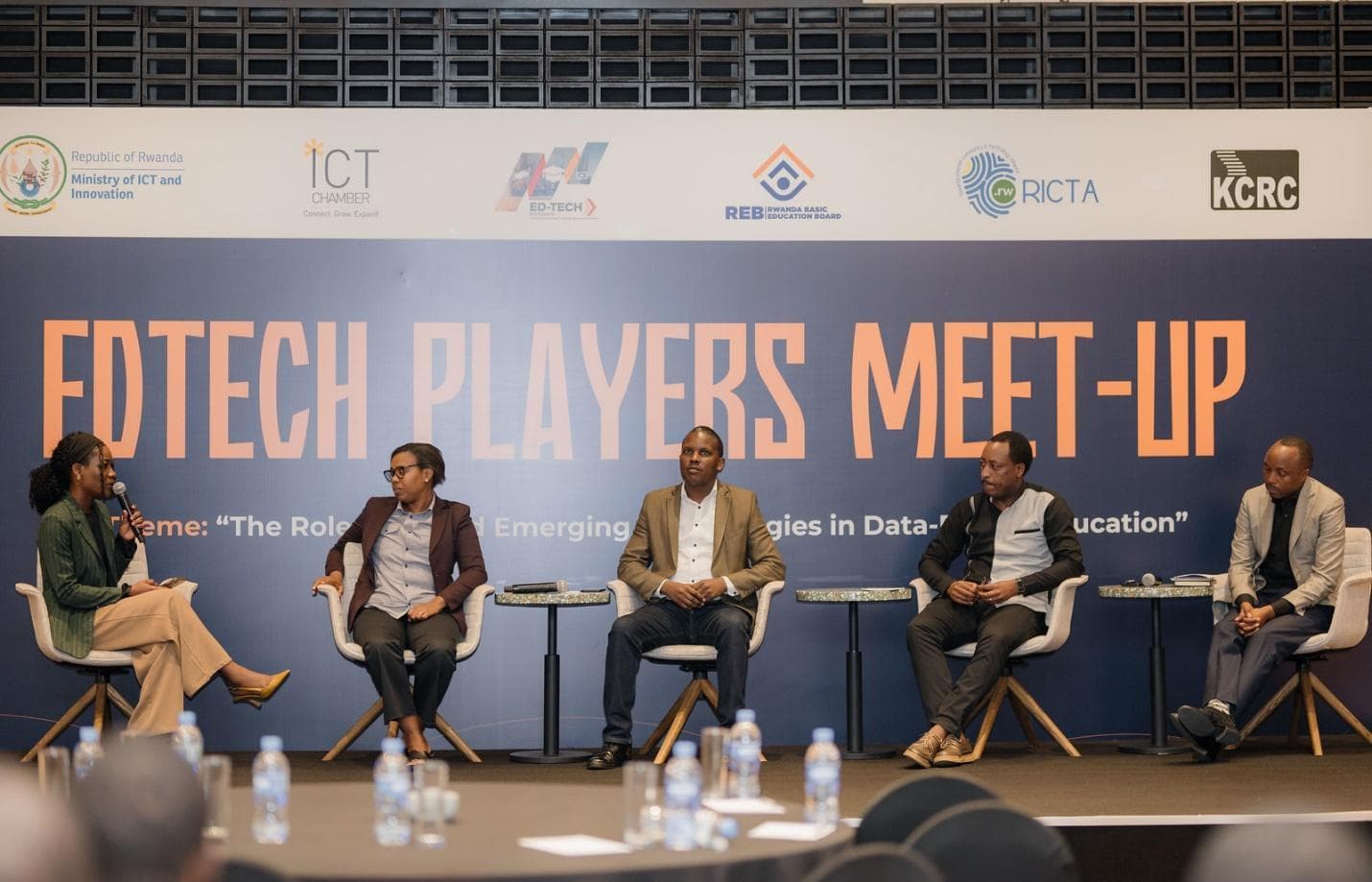
Rwanda is accelerating its shift toward data-driven education, with policymakers and technology leaders converging on artificial intelligence as the next frontier in improving classroom outcomes and system-wide decision-making.
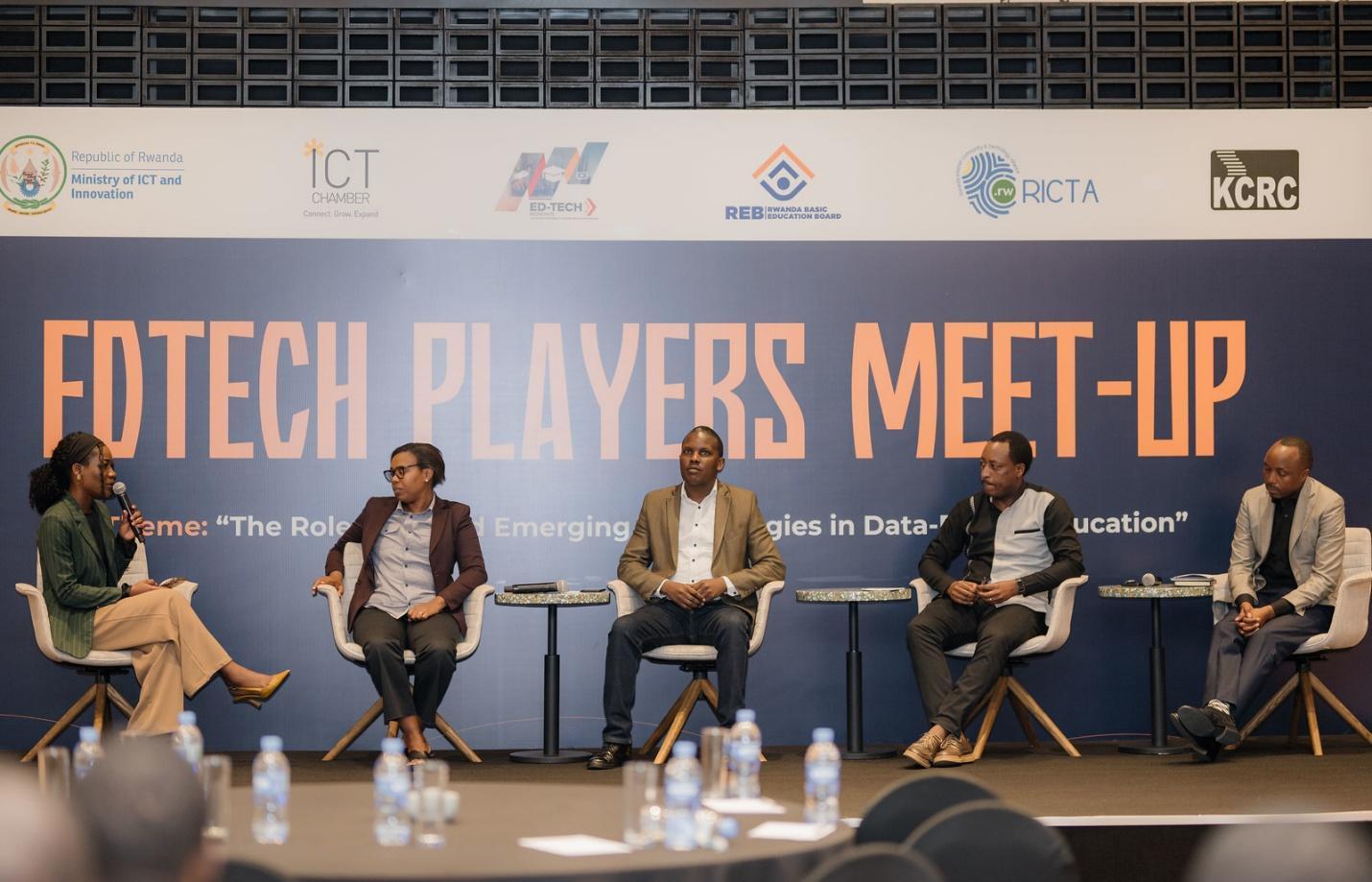
Panelists at the EdTech Players Meet-up discuss how artificial intelligence is reshaping Rwanda’s education system beyond digital access.
At an EdTech Players Meet-Up in Kigali, discussions signaled a pivot from expanding digital access to embedding intelligence into the education system, where real-time data, rather than infrastructure alone, shapes how students are taught and how policies are designed.
Government officials say that transition is already underway. Use of education technology and data in policymaking has surged sharply in recent years, outpacing national targets and reflecting a broader push to anchor decisions in measurable learning outcomes.

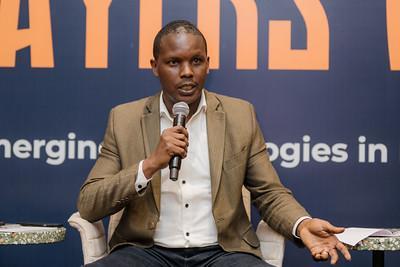
Vedaste Uwishema of the Rwanda Education Board outlines government readiness to integrate AI tools into classrooms to improve learning outcomes.
“So far it is being welcomed and intends to improve learning efficiency,” said Vedaste Uwishema, who leads emerging technologies at the Rwanda Education Board, pointing to pilot programs using AI-powered tablets that both deliver lessons and track comprehension. The tools, he said, allow teachers to shift from standardized instruction toward more individualized support.

Moise Tuyizere, director of operations at the Rwanda ICT Chamber, opens the meet-up, positioning EdTech as a key pillar in Rwanda’s digital economy push.
The policy shift is being reinforced by new funding and ecosystem-building efforts. Moise Tuyizere, Director of Operations at the Rwanda ICT Chamber, said the inaugural EdTech Fellowship through Mastercard Foundation will channel $50,000 each to a select group of eight startups from a pool of more than 200 applicants, in a bid to remove traditional financing constraints and accelerate innovation. The Meet-Up itself, he added, has evolved into a feedback loop between government and private sector players, helping align product development with national education priorities.
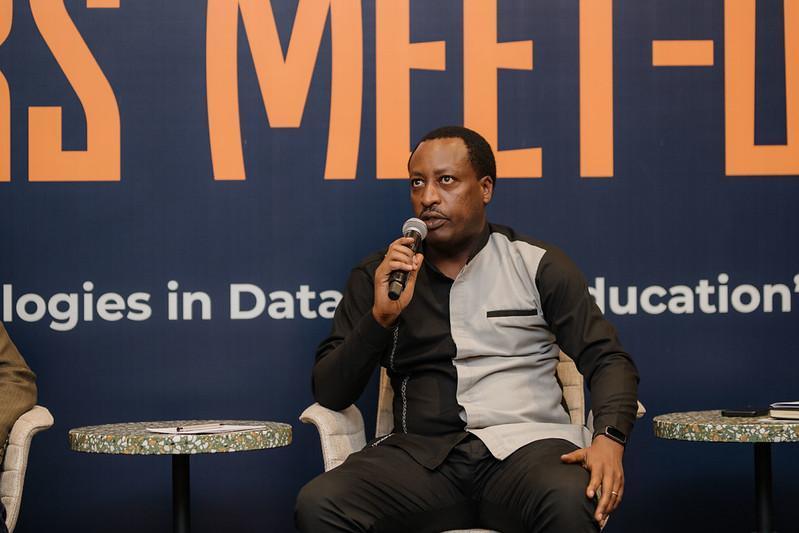
Thomas Ndayambaje, senior technologist at the Ministry of ICT and Innovation, points to rising use of data in policymaking as AI gains traction in education.
Officials at the Ministry of ICT and Innovation say the ambition is to move beyond isolated pilots toward system-wide adoption. That includes integrating AI into the national curriculum and building local infrastructure to support it. Plans under discussion include a national data center to anchor domestic AI capabilities, as well as performance-based procurement models, known as KPI tenders, that would reward solutions demonstrating measurable impact in classrooms.
Geoffrey Karegeya of the Rwanda Internet Community and Technology Alliance highlights connectivity gaps, warning infrastructure must keep pace with EdTech innovation.
Still, structural gaps remain a constraint. Geoffrey Karegeya of the Rwanda Internet Community and Technology Alliance warned that affordability and connectivity must keep pace with innovation, particularly in rural areas. Expanding high-speed internet access to all schools, he said, is critical to ensuring that digital learning tools reduce, rather than reinforce, inequality.
Researchers are also urging caution as adoption accelerates. Christine Niyizamwiyitira, a research fellow at the Kigali Collaboration Research Center, said policy must remain grounded in evidence, pointing to ongoing studies on child online protection and system readiness for AI integration. Questions around the relevance of global AI models in African classrooms and the need for offline functionality in low-connectivity environments featured prominently in discussions.
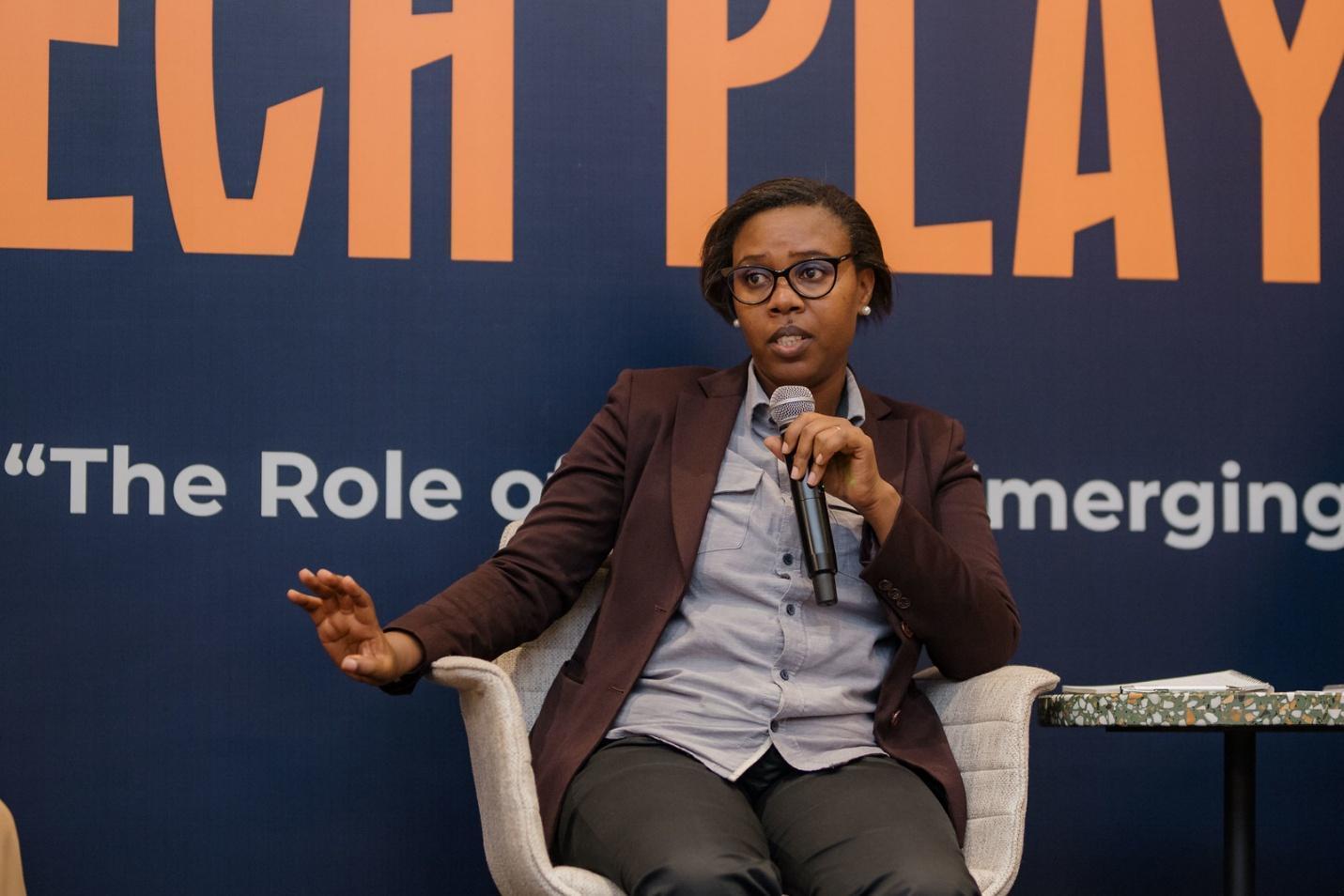
Christine Niyizamwiyitira, research fellow at the Kigali Collaboration Research Center, underscores the need for evidence-led policy as AI adoption in classrooms accelerates.
Even so, the direction of travel is clear. Rwanda’s education system is increasingly being designed around continuous data feedback loops, where student performance is monitored in real time and interventions adjusted quickly. As the country deepens its digital transformation agenda, classrooms are emerging as one of the most visible testing grounds for how artificial intelligence can be deployed at scale—and whether it can translate into measurable gains in human capital.